

What is Dry Eye?
Dry eye, also known as dry eye disease, is a common eye condition. It occurs when your eyes do not produce enough tears or when tears evaporate too quickly, leaving the surface of the eye insufficiently lubricated.
People are exposing themselves to so many ocular risk factors nowadays… If we’re causing damage at a younger and younger age, we’ve got a lot of years to live with the consequences of that damage.
— Dr. Jennifer Craig, University of Auckland
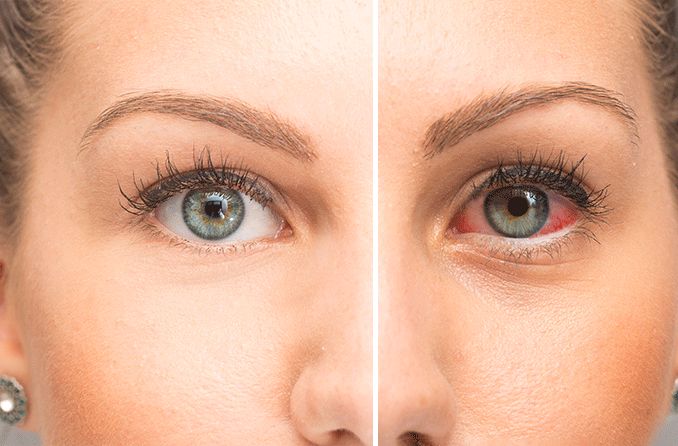
Different Types of Dry Eye
Aqueous-deficient
Occurs when the lacrimal glands do not produce enough watery tears.
Evaporative
Results from inadequate oil in the tears, usually due to dysfunction of the meibomian glands in the eyelids, causing tears to evaporate too quickly.
Mixed type
Involves both insufficient tear production and rapid evaporation.
What Causes It?
Various factors may contribute:
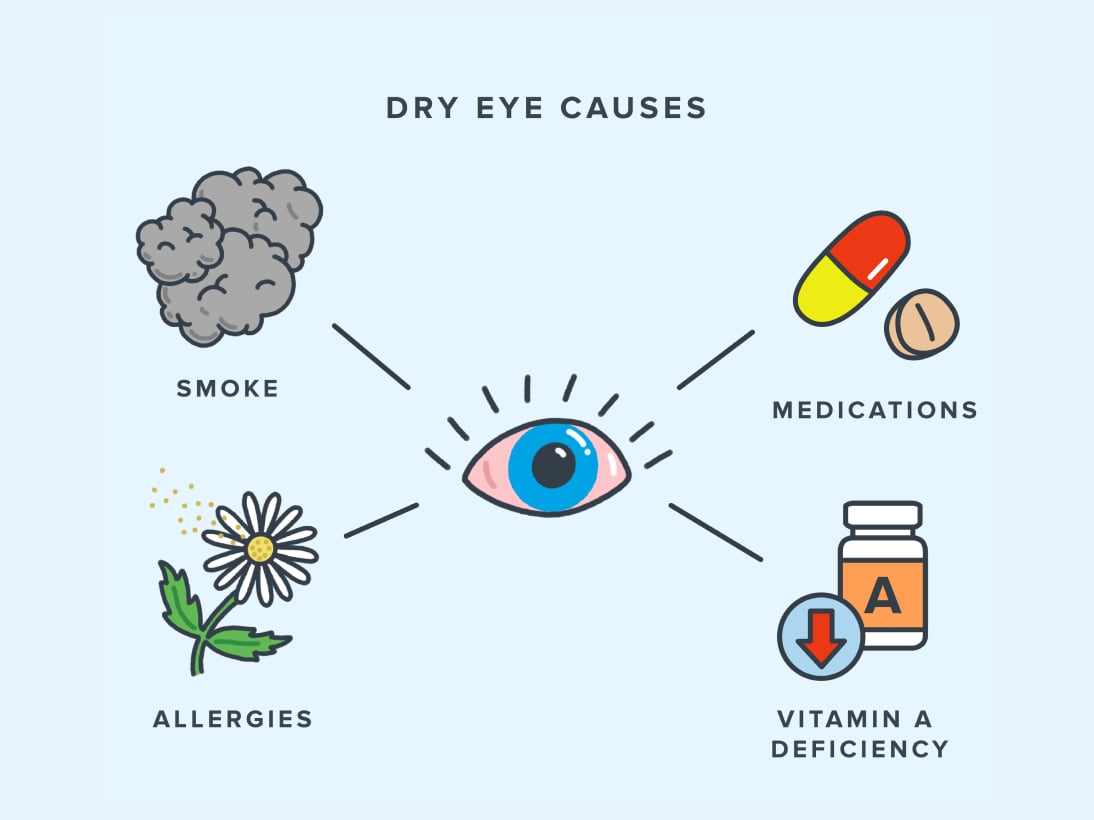
Age & Gender
Tear production often declines with age; women—especially around menopause—are at higher risk.
Environmental & Lifestyle Factors
Including prolonged screen exposure, air conditioning, dry air, wind, and smoke.
Medications
Such as antihistamines, blood pressure drugs, antidepressants, hormonal treatments, and others may decrease tear production.
Medical Conditions
Autoimmune disorders (e.g., Sjögren’s syndrome, rheumatoid arthritis), thyroid issues, diabetes, lupus, and others.
Contact Lens Use & Blink Patterns
Prolonged lens wear or inadequate blinking can destabilize the tear film.
Is Your Vision
Feeling Uncomfortable?
You may be experiencing dry eye if you notice:
- Stinging, burning, or scratchy sensation in your eyes
- Blurred vision that improves when you blink
- Redness or watery eyes (your eyes may water in response to irritation)
- Feeling like there is something “gritty” in your eyes
- Eye fatigue or discomfort after reading or using digital devices
For more tips on relieving dry eyes at home, check out our News & Tips section.